

Intense Pulsed Light is widely used in aesthetic treatments, from hair removal to skin rejuvenation. Depending on the wavelength and treatment settings, IPL can target different structures in the skin, including hair follicles, pigmentation, and small blood vessels.
An IPL photofacial uses controlled pulses of light to improve the appearance of sunspots, uneven skin tone, and visible redness. One of its variations is narrow-band IPL, which uses a more selective range of wavelengths to focus on specific skin concerns.
But what makes narrow-band IPL different from traditional IPL, and how does it help with pigmentation?
What Is a Narrow-Band IPL Photofacial?
Narrow-band IPL is a type of Intense Pulsed Light (IPL) technology that uses a more restricted wavelength range than conventional broad-spectrum IPL. Rather than delivering a wide range of light wavelengths, it filters the output to focus on specific skin targets, such as melanin and hemoglobin.
One example of this approach is DPL (Dye Pulsed Light), a narrow-band IPL technology designed for more selective skin treatments. DPL is commonly used in photofacials to address visible pigmentation, sunspots, uneven skin tone, and facial redness.
In short, traditional IPL offers a broader range of applications, including hair removal and skin rejuvenation, while narrow-band IPL technologies such as DPL focus on selected wavelengths for specific skin concerns.

How Does Narrow-Band IPL/DPL Target Skin Pigmentation?
The reason narrow-band IPL can address pigmentation comes down to how melanin absorbs light.
Melanin is the natural pigment responsible for skin, hair, and eye color. Repeated UV exposure can stimulate excess melanin production, causing pigment to accumulate in certain areas and form visible dark spots.
Narrow-band IPL uses a principle called selective photothermolysis. In simple terms, specific wavelengths of light are absorbed by targeted structures and converted into heat.
When melanin absorbs light energy, the resulting heat can damage pigment-containing structures. The body's natural processes then help clear the treated pigment, gradually making dark spots less noticeable.
The choice of wavelength is important. Melanin absorbs shorter visible wavelengths more strongly, while longer wavelengths generally penetrate deeper into the skin. This is why different light ranges are selected for different pigmentation concerns.
However, melanin is also present in normal surrounding skin. The treatment's effectiveness and safety therefore depend on more than wavelength alone. Skin tone, energy settings, pulse duration, and cooling all influence how the skin responds.

Narrow-Band IPL vs. Traditional IPL
Both technologies use filtered pulses of light, but they differ in the wavelength ranges they deliver and the treatment goals they are designed to address.
Traditional IPL produces broad-spectrum light, typically using cut-off filters to select different wavelength ranges. This gives it flexibility across several applications, including hair removal, pigmentation treatments, and vascular concerns.
Narrow-band IPL uses a more restricted wavelength range to focus on selected skin targets. This makes it particularly relevant to photofacial treatments.
The main differences can be summarized as follows:
| Feature | Traditional IPL | Narrow-Band IPL |
| Light spectrum | Broad-spectrum output with adjustable filters | More restricted wavelength range |
| Wavelength selection | Varies by filter and treatment settings | Focuses on a selected range |
| Main targets | Hair follicles, melanin, hemoglobin | Selected targets such as melanin and hemoglobin |
| Common applications | Hair removal and skin rejuvenation | Targeted photofacial treatments |
DPL is a good example of understanding this difference. Rather than treating it as an entirely separate light technology, it is useful to think of DPL as a narrow-spectrum IPL approach.
The exact wavelength range depends on the device. For instance, JOVS Blacken Pro uses a 500–650 nm spectrum for its DPL photofacial technology.
JOVS Blacken Pro DPL Photofacial for At-Home Skin Rejuvenation
Narrow-band light technology is not limited to professional photofacial treatments. Some at-home devices also use selected wavelength ranges to address visible pigmentation and uneven skin tone.
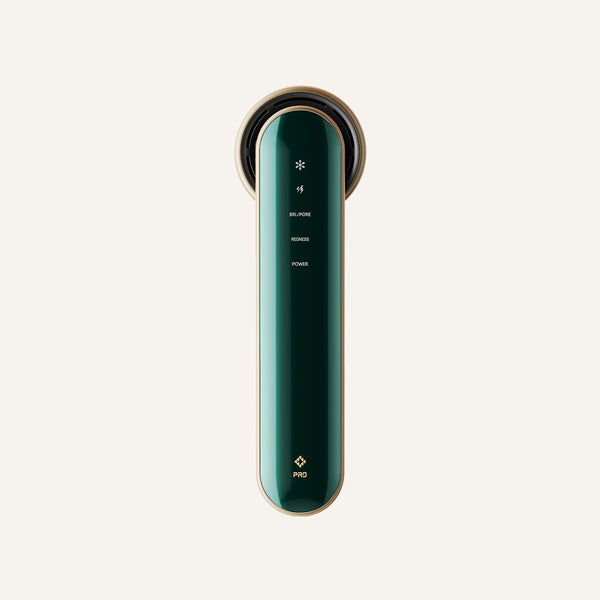
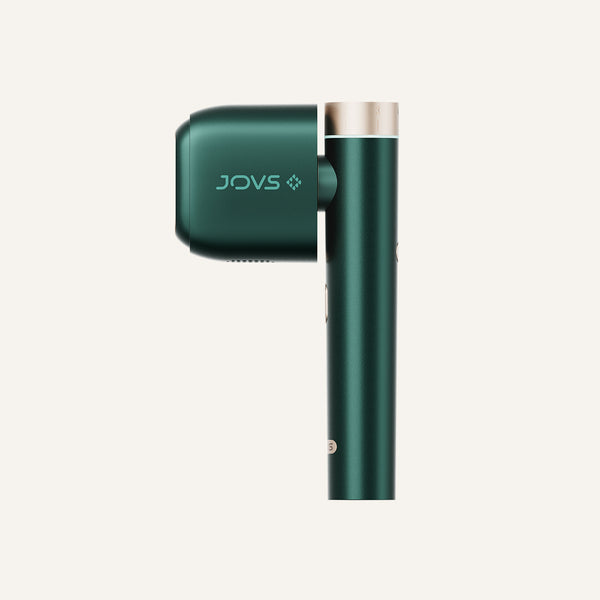
The JOVS Blacken Pro DPL Photofacial Device brings this approach into at-home skincare. JOVS applies narrow-band IPL technology through its DPL system, making targeted photofacial treatments available for home use.
Key Features of JOVS Blacken Pro DPL Photofacial Device
1. 500–650 nm Narrow-Spectrum DPLJOVS Blacken Pro uses a 500–650 nm narrow-spectrum DPL range, covering wavelengths absorbed by melanin and hemoglobin. This targeted light approach is designed to improve the appearance of dark spots, uneven skin tone, and visible redness.
With an energy density of 2–3.5 J/cm², it delivers a defined range of light energy for at-home facial treatments.
2. Sapphire Cooling TechnologyLight-based treatments generate heat as the skin absorbs energy. JOVS Blacken Pro features a built-in sapphire cooling surface designed to help protect the skin's surface and make treatments more comfortable.
The cooling surface also eliminates the need for a separate cooling gel, making at-home treatments more convenient.
3. Multiple Treatment Modes- BRI./PORE: Helps improve the appearance of dullness, uneven skin tone, and enlarged pores.
- REDNESS: Targets the appearance of facial redness.
- POWER: Provides higher-intensity treatment for visible dark spots and post-acne marks.
Is At-Home DPL Worth Considering?
If your main concerns are sunspots, post-acne marks, uneven skin tone, or visible redness, an at-home DPL device may be worth exploring.
However, professional IPL and at-home DPL devices should not be considered interchangeable. Their energy output, treatment protocols, and intended uses can differ considerably.