



IPL and Red Light Therapy are both light-based treatmenets, but they use different energy level and target distinct skin. IPL is primarily used for corrective treatments, targeting visible concerns such as sun spots, uneven pigmentation, and redness. Red Light Therapy is better suited to ongoing skin maintenance and regenerative support, helping support the skin’s natural repair processes and overall skin quality over time.
What is Intense Pulsed Light
Intense pulsed light (IPL), also known as "photorejuvenation," is a broadband composite light with wavelengths between 500 and 1200 nm. It not only can lighten freckles, age spots and other pigmentation spots, but also can improve uneven skin tone, tighten skin, reduce wrinkles and redness.
What is Red Light Therapy
Red Light Therapy (RLT) is a non-invasive technique that uses specific wavelengths (typically red light at 620 to 660 nanometers and near-infrared light at around 850 nanometers) to irradiate the skin and tissues. It can reduce inflammation, relieve pain, assist in acne treatment, reduce wrinkles, scars, and redness.
What is the Difference Between IPL and Red Light Therapy
Here are some more specific comparison details:
| Feature | IPL | Red Light Therapy |
| Light source | High-intensity, broad-spectrum light | Low-energy continuous light |
| Principle | By utilizing differences in light absorption by different tissues, light energy is converted into heat energy. | Promotes cellular energy (ATP) production and improves cellular metabolism and repair capabilities. |
| Treatment goal | Pigmentation and vascular correction, skin rejuvenation | Anti-inflammatory, pain relief, skin rejuvenation |
| Skin suitability | Lighter skin tones | All skin tones |
| Treatment experience | Slight stinging | Gentle |
| Downtime | At least 1–3 days | None |
| Cost | High per session | Low per session or use at home |

When to Choose Red Light Therapy Instead of IPL
IPL takes a more intensive, targeted approach and may be better suited to specific visible concerns, such as the appearance of pigmentation and redness.
Red Light Therapy aims to provide a long-term, stable, and comprehensive solution to your skin problems at a relatively low cost. You can use it anytime at home, and even choose different parts of your body to receive red light therapy. Like the JOVS Full-Spectrum Red Light Therapy Bag Pro is not only designed for full-body mode, but can also for face-anting mode, back mode, and leg mode. Its effects are also very good. Because its irradiancee is ≥140mw/cm² and the spacing between LED beads is ≤2cm, so the energy coverage is comprehensive.
For long-term skin stability
Red Light Therapy is particularly suitable for long-term skin care. It uses low-intensity light and can be integrated into your daily skincare routine. It follows a more gradual approach: understanding your skin type, choosing the appropriate intensity and frequency, and consistently maintaining a stable treatment regimen. This is more conducive to facial rejuvenation because it supports the skin’s natural renewal processes over time.
For low downtime
Red Light Therapy is a minimally invasive treatment that can be easily integrated into daily skincare routines. You can use it anytime without disrupting your daily schedule or requiring any planning; it can be integrated into your daily routine just like brushing your teeth. You can also receive Red Light Therapy while sleeping or watching TV, and even select body parts.
For gentleness and effectiveness
Red Light Therapy uses a gentler approach, employing low-energy red light and near-infrared wavelengths to nourish the skin. The definition of effective in Red Light Therapy is different: it does not pursue higher intensity and and immediate results, but rather appropriate dosage and continuous use, thereby helping to support the skin's natural repair process and improve overall skin quality over time.
FAQs About IPL VS Red Light Therapy
1.Is IPL or Red Light Therapy better for sensitive skin?
Red Light Therapy is generally gentler and more suitable for long-term care. However, it still depends on individual skin problems.
2.How often can you do Red Light Therapy?
It is recommended to perform 3 to 5 treatments per week for the first 4 to 8 weeks, and then reduce the number of treatments to 1 to 2 per week as maintenance therapy.
3.Can IPL and Red Light Therapy be used together?
Yes, Red Light Therapy is often used after IPL to relieve inflammation and promote healing.
4.Are IPL and Red Light Therapy bad for your eyes?
No. You can wear goggles to protect your eyes while using these devices. For more information, you can read Is Red Light Therapy Bad For Your Eyes?
5.Which treatment has less downtime?
Red Light Therapy is the better choice if minimal downtime is a priority, while IPL is more targeted toward correcting pigmentation and vascular concerns.
Conclusion
When it comes to IPL and Red Light Therapy, it's less about which is better and more about which better suits your skin treatment goals and schedule.
IPL is fast and effective, improving pigmentation and redness, but it's not suitable for sensitive skin and requires a recovery period. Red Light Therapy, on the other hand, is more gentle. It stimulates cell repair, reduces inflammation, and helps the skin gradually build up its resilience, making it ideal for daily care, anti-aging, and overall skin rejuvenation.
If you want to get comfotable and scientific skincare at home without worrying about recovery, FDA-approved JOVS Full-Spectrum Red Light Therapy Bag Pro is the perfect one. Make it yours.
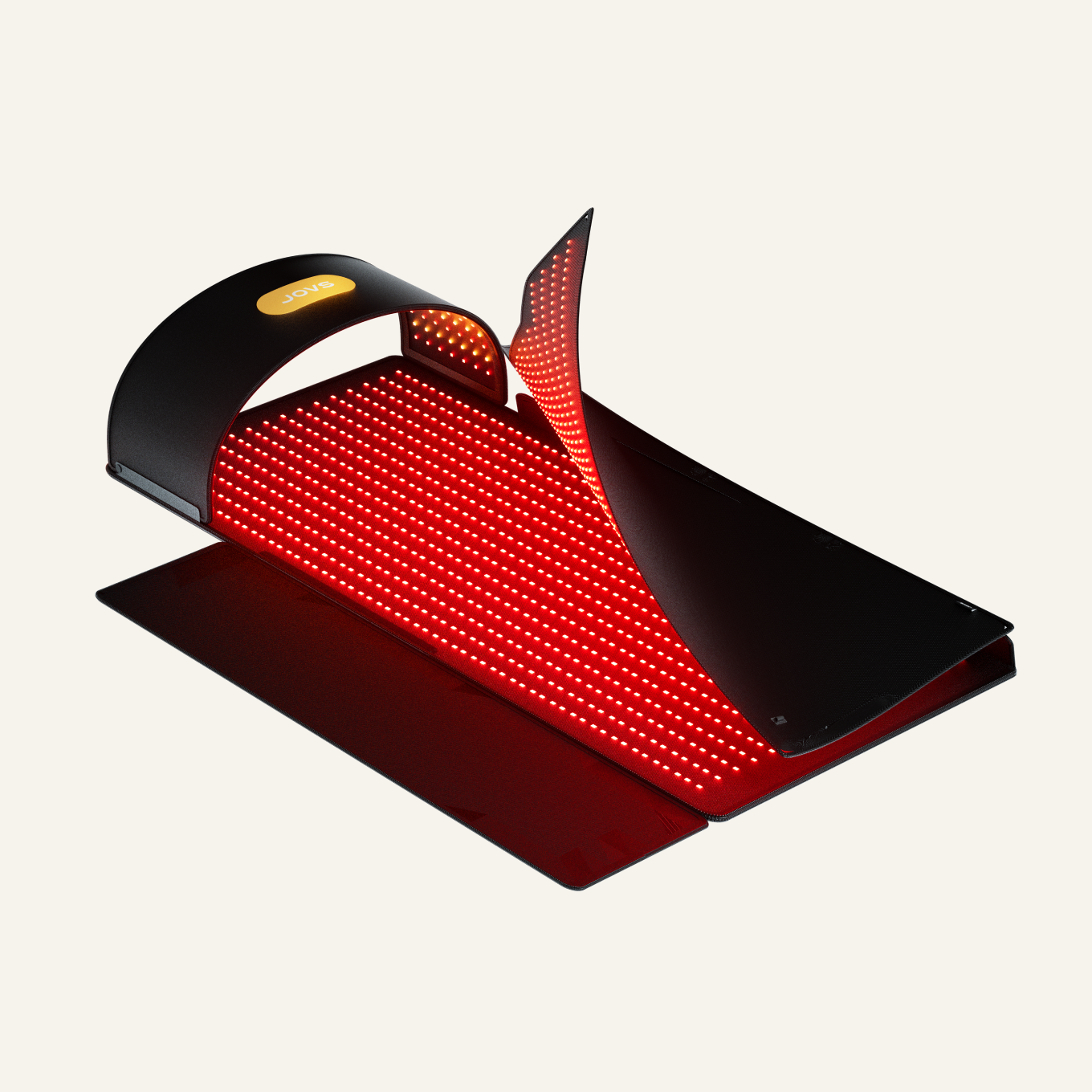
JOVS Red Light Therapy Bag Pro
Recovery Cocoon
Irradiance ≥140mw/cm²
LED Spacing ≤ 2cm
Rejuvenate skin from head to toe
Reduce inflammation
Relieve muscle pain
$2,399.00
Shop now - $100 OFF


