



Dark spots can appear after years of sun exposure or as marks left behind by acne, inflammation, and skin irritation. These discolorations develop when melanin, the pigment responsible for skin color, accumulates unevenly in certain areas.
IPL (intense pulsed light) photofacials offer a light-based approach to improving some types of pigmentation. By delivering controlled pulses of light that are absorbed by melanin, IPL can help make certain dark spots less noticeable. But how does this treatment work, and can at-home devices offer similar benefits to professional treatments?
How Does At Home IPL Photofacial Reduce Dark Spots?
Clinical IPL photofacials use controlled pulses of broad-spectrum light to target pigmentation in the skin. When melanin absorbs specific wavelengths of light, the energy is converted into heat, creating a controlled thermal effect in the pigmented area.
This heat can coagulate pigment-containing structures in the epidermis. In some cases, tiny pigmented crusts form and gradually shed as the skin renews itself, making the treated spots less noticeable.
The treatment parameters, including wavelength filters, energy density, and pulse duration, are adjusted according to the pigmentation being treated and the patient's skin characteristics. Multiple sessions may be needed to achieve the desired improvement.
At-Home VS Clinical IPL Photofacial Reduce Dark Spots
One of the main differences is the energy delivered during treatment. Professional IPL systems generally offer higher energy levels and more adjustable settings, allowing practitioners to tailor treatments to individual skin conditions.
At-home IPL devices typically operate at lower energy levels with more restricted settings for personal use. This can make treatments more convenient, but it may also mean that visible improvements take longer. Their performance varies by device, and results should not be expected to match those of professional IPL treatments.
There's another distinction worth considering: many consumer IPL devices are primarily designed for hair removal, with a photofacial or skin-rejuvenation function added as an extra feature. A device offering this additional function is not necessarily optimized or clinically validated for treating dark spots.
If pigmentation is your main concern, it's worth looking beyond the IPL label and considering the device's wavelength range, energy output, and intended treatment applications.
DPL Photofacial Technology: Updated IPL for Dark Spots
DPL (Dye Pulsed Light) is a narrow-spectrum form of intense pulsed light (IPL). Traditional IPL systems deliver broad-spectrum light, using filters to select wavelengths for different skin concerns. DPL takes a more targeted approach by narrowing the wavelength range, focusing light energy on specific skin chromophores, such as melanin and hemoglobin.
For example, JOVS Blacken Pro DPL Photofacial Device uses a 500–650 nm wavelength range. These wavelengths can be absorbed by melanin associated with dark spots and by hemoglobin associated with visible redness. This makes the device designed to address the appearance of both pigmentation and redness at home.
JOVS Blacken Pro DPL Photofacial Device
If your goal is to address dark spots and uneven skin tone at home, the JOVS Blacken Pro DPL Photofacial Device is designed specifically for facial skincare rather than primarily for hair removal. JOVS DPL version delivers an energy density of 2–3.5 J/cm² and features three treatment modes for different facial skincare concerns.
Its key features include:- 500–650 nm DPL spectrum: A narrow-spectrum light approach designed to target the appearance of pigmentation and redness.
- Power mode: Designed for targeted care of visible dark spots and post-acne marks.
- BRI./Pore mode: Intended to improve the appearance of dullness, uneven skin tone, and enlarged pores.
- Redness mode: Designed to address the appearance of facial redness.
- Sapphire cooling: A cooling contact surface designed to help manage skin-surface heat during treatment.
- Clinical IPL: Professional treatments use broad-spectrum pulsed light, with adjustable filters and energy settings that doctors can tailor to different skin concerns.
- At-Home IPL: IPL with lower energy levels for personal use. Many at home ipl devices primarily target hair removal, with photofacial functions offered as an additional feature.
- DPL: A narrow-spectrum approach to pulsed-light technology that focuses on a selected wavelength range rather than the broader spectrum typically associated with IPL.
- JOVS Blacken Pro DPL Photofacial device: A home-use DPL photofacial device designed to address the appearance of dark spots, uneven skin tone, and redness.
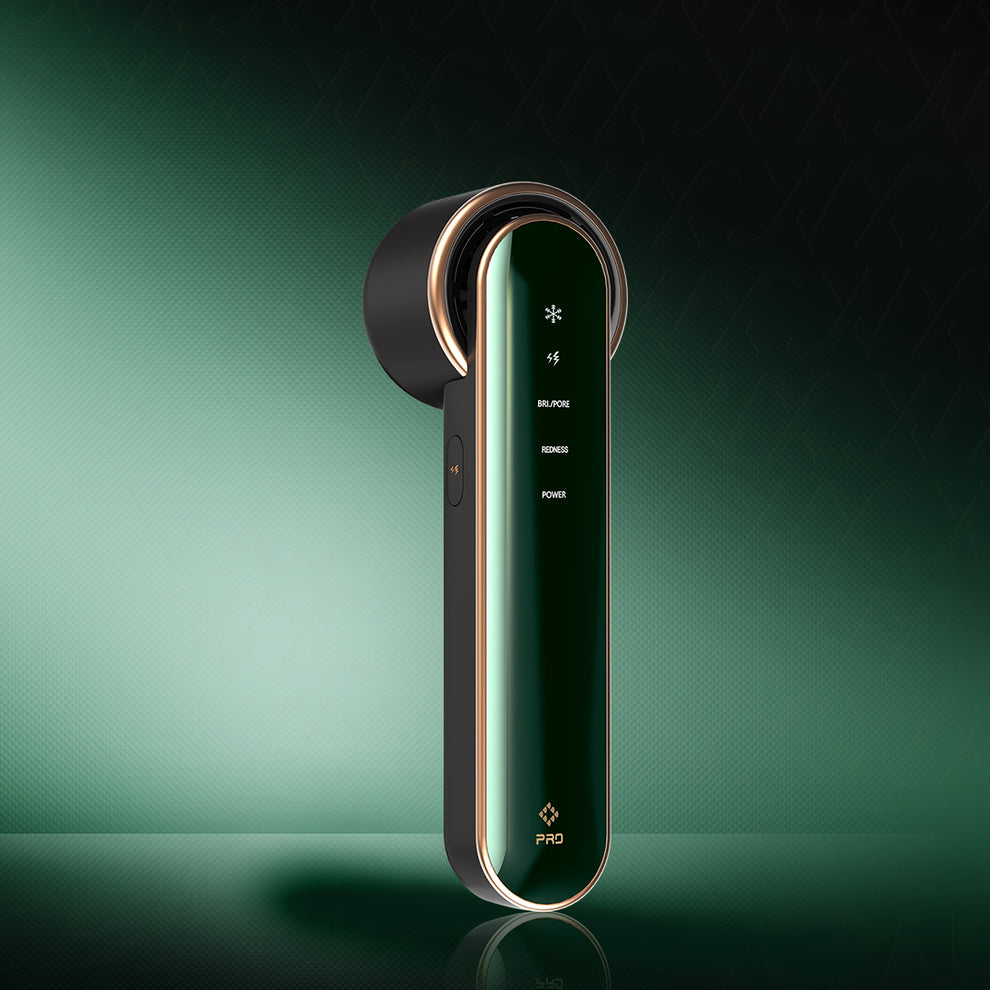
JOVS Blacken Pro DPL Photofacial Device
Best Choice
3x Powerful than IPL
Skin rejuvenation
Sapphire cooling technology
$409.00
Shop now - $50 OFFConclusion
IPL photofacials can help reduce the appearance of certain dark spots, but results vary by device and pigmentation type. For at-home facial skincare, the JOVS Blacken Pro DPL Photofacial Device uses a 500–650 nm wavelength range and dedicated modes for pigmentation and redness. Follow the manufacturer's instructions and skin-suitability guidance before use.


