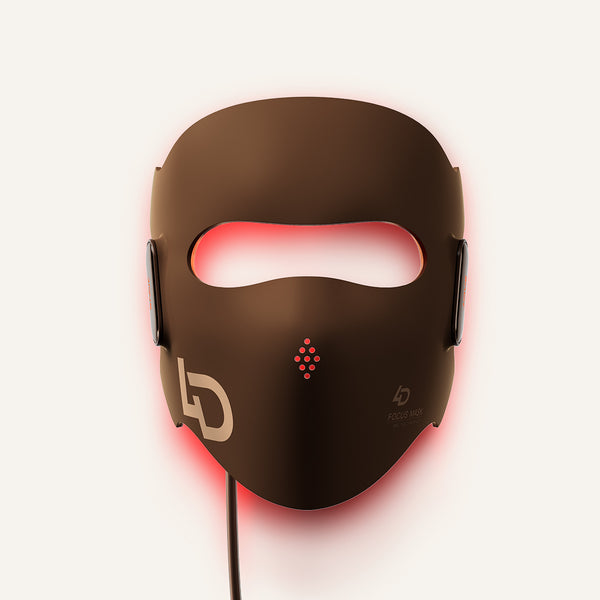


No, Red Light Therapy will not damage your eyes. Red Light Therapy itself is harmless to the eyes under normal use, including avoiding prolonged direct screen viewing and wearing goggles to protect the eyes during extended use.
Why Red Light Therapy is Generally Eye-Safe
One reason red light therapy has a favorable safety profile is that it uses specific, non-UV wavelengths of red and near-infrared light. In addition, low-level photobiomodulation uses controlled light exposure.
Red light therapy has a generally favorable ocular safety profile when used at appropriate wavelengths and treatment levels. Repeated low-level red-light therapy for myopia control: An update on efficacy and safety reviewed the available evidence and found that repeated low-level red-light therapy has shown good short-term ocular safety, with no irreversible ocular damage reported to date.
This is further supported by Duration-Dependent Efficacy and Clinical Safety of Repeated Low-Level Red-Light Therapy for Paediatric Myopia: A Systematic Review and Meta-Analysis, which analyzed 28 randomized controlled trials involving 3,573 participants. The study found that reported adverse events were generally mild and transient, with no consistent structural or functional abnormalities reported.
How to Protect Your Eyes When Using Red Light Therapy
Take extra care if you have sensitive eyes
If your eyes are sensitive to light or you have been diagnosed with an eye condition, take extra precautions before using red light therapy. These conditions may include dry eye, photophobia caused by migraines, retinal disease, glaucoma, or recovery from eye surgery.
When using for the first time, use the lowest recommended setting and the shortest recommended treatment duration. If you experience eye discomfort, pain, headache, persistent afterimages, blurred vision, increased photophobia, or any other visual changes, discontinue use immediately. Consult an ophthalmologist or optometrist before resuming use, especially if symptoms persist.
Choose eye protection based on the device
Eye protection requirements are related to product design, light intensity, treatment distance, and LED lights. While facial red light therapy products typically don't require additional protection, it's more important to have specific product compliance instructions, precautions, and general preventative measures.
Most other red light therapy products come with protective goggles that effectively block near-red external light, ensuring better safety when wearing them while moving or using the product.

Follow the recommended session duration
Longer treatment times do not necessarily mean better results. Each device is designed for specific settings, so it is recommended to start with the shortest recommended session, such as 10 minutes, and gradually increase the treatment time strictly according to the product instructions.
Avoid looking directly at high-intensity light sources
Why Choose JOVS Products
JOVS red light therapy products have all received FDA-cleared, providing additional regulatory confidence in the device and its intended use. Here we recommend two highly-rated products: Full-Spectrum Red Light Therapy Bag Pro and 4D Laser Light Therapy Mask.
JOVS Red Light Therapy Bag aims to provide 360 degrees of anti-inflammatory relief and muscle soreness relief. JOVS 4D Laser Light Therapy adds laser to red light therapy, aiming to reduce wrinkles and tighten skin, thereby achieving an anti-aging effect.
Different wavelengths have different effects, which can be selected by the user. Details are as follows:
JOVS Full-Spectrum Red Light Therapy Bag Pro
| Wavelength | Benefits |
| 590–610nm | Regulate pigmentation activity, refine overall skin tone |
| 660nm | Stimulate collagen synthesis, strengthen skin structure and elasticity |
| 850–940nm | Enhance microcirculation, support tissue repair, inflammation regulation |
| 1000–1200nm | Support cellular repair, energy metabolism, systemic recovery processes |
JOVS 4D Laser Light Therapy Mask
This mask combines red light with low-level laser light therapy to support skin rejuvenation. Learn more about Low Laser Light Therapy Technology and explore the differences between laser and LED light for skin rejuvenation to better understand how these light technologies work.
| Wavelength | Benefits |
| 660nm + 660nm | Enhance overall skin radiance for a fresher-looking complexion |
| 660nm + 850nm | Reduce forehead lines for a refreshed, relaxed appearance |
| 660nm + 940nm | Fade sun spots, age spots, and redness while refining nasolabial lines |
| 660nm + 1064nm | Smooth smile lines and eye wrinkles, enhancing skin firmness |
Conclusion
In conclusion, red light therapy is a safe and effective way to improve skin health and relieve pain. Wearing protective goggles, choosing appropriate equipment, and following safety guidelines will ensure you can enjoy red light therapy safely without harming your eyes.
FAQs for Red Light Therapy
1.Who Should be More Careful with Red Light Therapy?
People with Existing Eye Conditions and people Taking Photosensitizing Medications should be more careful with red light therapy.
2.What are the Possible Eye Side Effects of Red Light Therapy?
Temporary effects such as afterimages, eye fatigue, mild discomfort, or light sensitivity may occur after red light therapy. These effects are generally short-lived and usually resolve within minutes.
3.Can You Look Directly at Red Light Therapy LEDs?
It is generally not recommended. The reason is that the treatment device can emit relatively high intensity focused light. Looking directly at the LED light will expose the eyes to more light than with indirect or proper illumination, which may cause temporary eye discomfort.