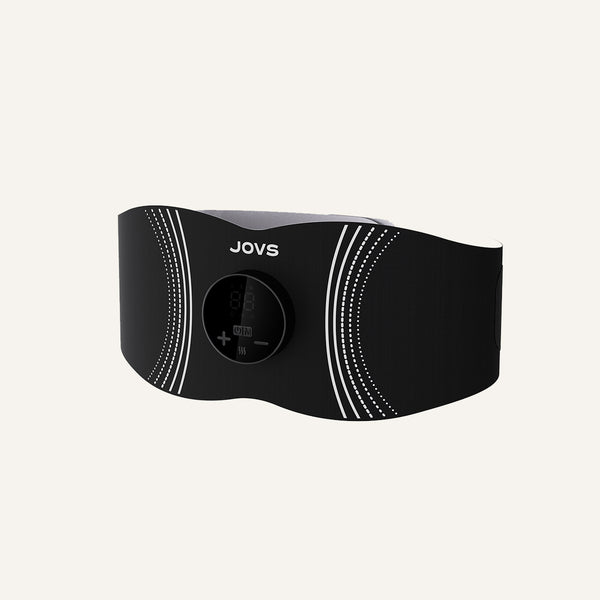


EMS is generally considered safe when used as directed. The safety of an EMS device depends on its design, compliance with applicable safety standards, and proper use. Always follow the manufacturer's instructions and check whether the device is suitable for your individual health condition.
What is EMS
Electrical Muscle Stimulation (EMS) is a non-invasive technology. It uses gentle electrical pulses to stimulate muscle contractions. It is usually used for muscle activation, muscle training, recovery and supporting muscle strength.
How EMS Work
EMS works by delivering controlled electrical impulses to the targeted area through electrodes. These impulses stimulate nerves associated with muscle activation, causing the muscles to contract. In simple terms, traditional muscle movement begins with signals from the brain, while EMS uses externally generated electrical impulses to help trigger muscle contractions.
EMS does not necessarily replace voluntary exercise, but it can provide targeted muscle stimulation and may be used as part of a broader fitness, recovery, or wellness routine.
Why EMS is Relatively Safe
Use controlled electrical stimulation
EMS delivers controlled electrical impulses to stimulate muscles and produce muscle contractions. The intensity and stimulation parameters can be adjusted according to the user's tolerance and treatment protocol. What's more, unlike invasive procedures, EMS stimulates muscles through electrodes placed on the skin.
Scientific evidence
The 2024 prospective study Prospective Study on the Efficacy and Safety of Noninvasive EMS evaluated both the efficacy and safety of a noninvasive EMS device designed to stimulate muscles in the extremities.
This study shows that the safety of noninvasive EMS devices can be evaluated under controlled conditions using specific stimulation parameters and treatment protocols.
However, this does not mean that every EMS device has the same safety profile. Device design, intensity, treatment duration, application area, and individual health conditions can all affect safety. The most important thing is that you should check the FDA-cleared of this product, which means that the FDA has reviewed the device and determined that it is substantially the same as legally marketed similar devices in terms of safety and effectiveness.
What Does EMS Do
EMS can be used to stimulate muscles in different areas of the body. Depending on the device, stimulation parameters, and treatment area, it may support muscle activation, muscle conditioning, and targeted muscle training. EMS devices are mostly used to target facial muscles and improve facial contours. Electrical muscle stimulation can also be applied to specific body areas, including the foot, glutes, core muscles, and pelvic floor.
Facial EMS: Supporting facial muscle toning
Facial EMS uses gentle electrical impulses to stimulate facial muscles. By encouraging repeated muscle contractions, it may help support facial muscle toning and improve the appearance of facial contours. It may help improve the appearance of the jawline and reduce the appearance of facial laxity, creating a naturally refreshed look.
Foot EMS: Supporting muscle activation while you relax
Foot EMS delivers electrical stimulation through the feet, activating muscles in the feet and lower legs. The stimulation can produce repeated muscle contractions while the user remains seated or relaxed.
This makes foot EMS a convenient option for people who spend long periods sitting or want to incorporate muscle stimulation into their daily routine. Depending on the device and stimulation parameters, it may support muscle activation and lower-leg movement without requiring conventional exercise during the session.
Glute EMS: Supporting glute toning and body contour
In aesthetic and fitness applications, muscle stimulation may be used to support the appearance of muscle tone and body contours, particularly in areas such as glutes. EMS has also been studied for pelvic floor muscle training. Research suggests that electrical stimulation may help support pelvic floor muscle activation and strengthening in appropriate populations, including some women after childbirth. If you want to learn more about products for buttock shaping, you can check out How EMS Shorts Support Glute Toning.
However, the effects of EMS can vary depending on the treatment area, device design, stimulation parameters, and individual condition.
Safety Instructions for EMS Devices
Before using the relevant EMS device, you need to understand the following safety rules.
1.In most cases, it can be used in conjunction with a conductive serum or gel. Good conductivity ensures that the current is evenly distributed on the treatment surface. Using this product on dry skin may create areas of concentrated current, potentially causing localized discomfort.
2.Beginners should start with the lowest intensity, level 1 or 2, and gradually increase the intensity over the first few treatments. The goal is to find a comfortable intensity, not the maximum. Home EMS device safety guidelines emphasize gradual increase.
3.Follow the recommended treatment times. Confirm a treatment cycle time according to the product instructions. Extending treatment times does not necessarily lead to better results and may increase the risk of muscle fatigue.
4.Do not use on the eyes, front of the neck, or temples. Use the device on the recommended treatment areas: jawline, cheeks, forehead, and sides/back of the neck.
5.Keep the device clean. After each use, wipe the treatment head with a clean, damp cloth. Accumulation of serum or skin residue can affect conductivity and hygiene.
Conclusion
EMS devices are generally considered safe if properly designed and used according to the manufacturer's instructions.
Following recommended guidelines, using appropriate intensity, and being aware of contraindications helps in the safe and comfortable use of EMS. EMS can be used as part of a fitness, recovery, or wellness program to provide targeted muscle stimulation.
FAQs about EMS and EMS Devices
1.Who should not use EMS devices?
These devices is not suitable for use by individuals with a cardiac pacemaker or other electronic implants, those with epilepsy or seizure disorders, pregnant women, those with poor skin condition, or those who have undergone facial injections or surgical procedures.
2.What are the possible side effects?
Delayed onset muscle soreness (DOMS) may occur, characterised by pain, stiffness and temporary redness in the muscles following exercise that is unfamiliar or strenuous.
3.Can you use it everyday?
It is not recommended to use EMS equipment every day. Like other muscles, the facial muscles need time to recover in order to adapt to and respond to the training stimulus.
4.How long does it take to see results?
Generally speaking, you should start to see noticeable results after using the product consistently for 2 to 4 weeks (3 to 5 times a week). However, the time it takes to see noticeable changes depends on your starting point, the level of commitment you put in, and personal factors such as your age and skin elasticity.
5.What can EMS do for body sculpting?
Depending on the device and treatment area, EMS may be used to target muscles in areas such as the abdomen, glutes, arms, or legs. For more information, you can read The Core Technology of EMS Sculpting.