


Leaking urine when you sneeze, feeling pressure in your pelvis, or struggling to rebuild core strength after pregnancy can all be signs that your pelvic floor muscles need attention.
The good news is that, in many cases, pelvic floor strength can improve with consistent exercise. Pelvic floor muscle training remains one of the most widely recommended first-line approaches for postpartum stress urinary incontinence, while other activities such as Pilates, walking, and glute strengthening can support overall recovery. Some people also choose EMS-assisted devices to complement their home routine—not as a replacement for exercise, but as an additional way to activate muscles.
What is The Pelvic Floor?
Most people don't think about their pelvic floor until symptoms appear.
The pelvic floor is a group of muscles that stretches like a hammock across the bottom of your pelvis. These muscles support your bladder, uterus, and bowel while helping control urination, stabilize your core, and contribute to sexual function.
When they become weaker, everyday activities like coughing, laughing, jumping, or lifting something heavy may become more difficult to control.
Signs Your Pelvic Floor May Need Strengthening
Pelvic floor weakness doesn't always appear suddenly. Many people first notice subtle changes that gradually become more frequent.
Common signs include:
- Leaking urine when coughing, sneezing, laughing, or exercising
- Difficulty controlling gas
- A feeling of heaviness or pressure in the pelvis
- Reduced core stability or lower back support
- Weakness after pregnancy and childbirth
These symptoms don't necessarily mean your pelvic floor is permanently damaged, but they may indicate it's time to start targeted strengthening exercises or speak with a healthcare professional if symptoms persist.

What do pelvic floor muscles do?
Briefly explain that they act like a supportive "hammock" beneath the pelvis.
They help:
- support the bladder, uterus and bowel
- control urination
- stabilize the core
- contribute to sexual function
What causes pelvic floor muscles to become weak?
Pelvic floor muscles naturally respond to the demands placed on them throughout life.
Pregnancy and childbirth place significant stress on these muscles, making postpartum weakness one of the most common reasons people seek pelvic floor rehabilitation. Aging and menopause may also reduce muscle strength as collagen and muscle mass gradually decline.
Other everyday factors can contribute as well, including prolonged sitting, chronic coughing, obesity, repetitive high-impact exercise, or frequently lifting heavy objects. Over time, these factors can reduce the muscles' ability to provide support and maintain bladder control.
The Best Exercises for Pelvic Floor Recovery
Kegel Exercises
Kegel exercises remain the foundation of pelvic floor rehabilitation. They involve repeatedly contracting and relaxing the pelvic floor muscles to improve strength, endurance, and bladder control.
Research continues to support pelvic floor muscle training as a first-line treatment for postpartum stress urinary incontinence and recovery. Consistency matters far more than intensity, and noticeable improvements often take several weeks.
Pilates
Pilates strengthens the deep core muscles while encouraging better breathing and body awareness.
For many postpartum women, it complements pelvic floor exercises by improving trunk stability and movement control rather than directly isolating the pelvic floor itself.
Walking
Walking is often overlooked because it feels too simple.
However, it is low impact, encourages healthy circulation, supports recovery after pregnancy, and pairs well with pelvic floor exercises. Starting with regular walks before progressing to more demanding workouts can make recovery feel more manageable.
Glute Strengthening Exercises
Your glutes and pelvic floor work together during many everyday movements.
Strengthening the surrounding muscles can improve overall pelvic stability and help support pelvic floor function.
Good beginner exercises include:
- Glute bridges
- Clamshells
- Bodyweight squats
- Side leg raises
When Exercise Alone May Not Be Enough
Some people struggle to feel whether they're contracting the correct muscles during Kegel exercises. Others find it difficult to stay consistent or want additional muscle activation while training at home.
In these situations, pelvic floor trainers or EMS-assisted muscle stimulation may complement an exercise routine. They aren't designed to replace exercise but to support muscle activation alongside regular pelvic floor training.
Emerging clinical evidence suggests that electromagnetic or electrical stimulation may improve pelvic floor muscle strength and urinary incontinence outcomes in some postpartum women, although more high-quality research is still needed.
Can EMS Help Support Pelvic Floor Training?
Pelvic floor recovery usually begins with exercises, breathing techniques, and gradual core strengthening.
Some women choose to add EMS-assisted devices to this routine as another way to activate muscles during home training.
The JOVS EMS Toning Shorts combine wearable EMS technology with home fitness, offering muscle stimulation while users continue performing their regular strengthening exercises. Like any EMS device, they're intended to complement—not replace—a structured exercise program and healthy movement habits.

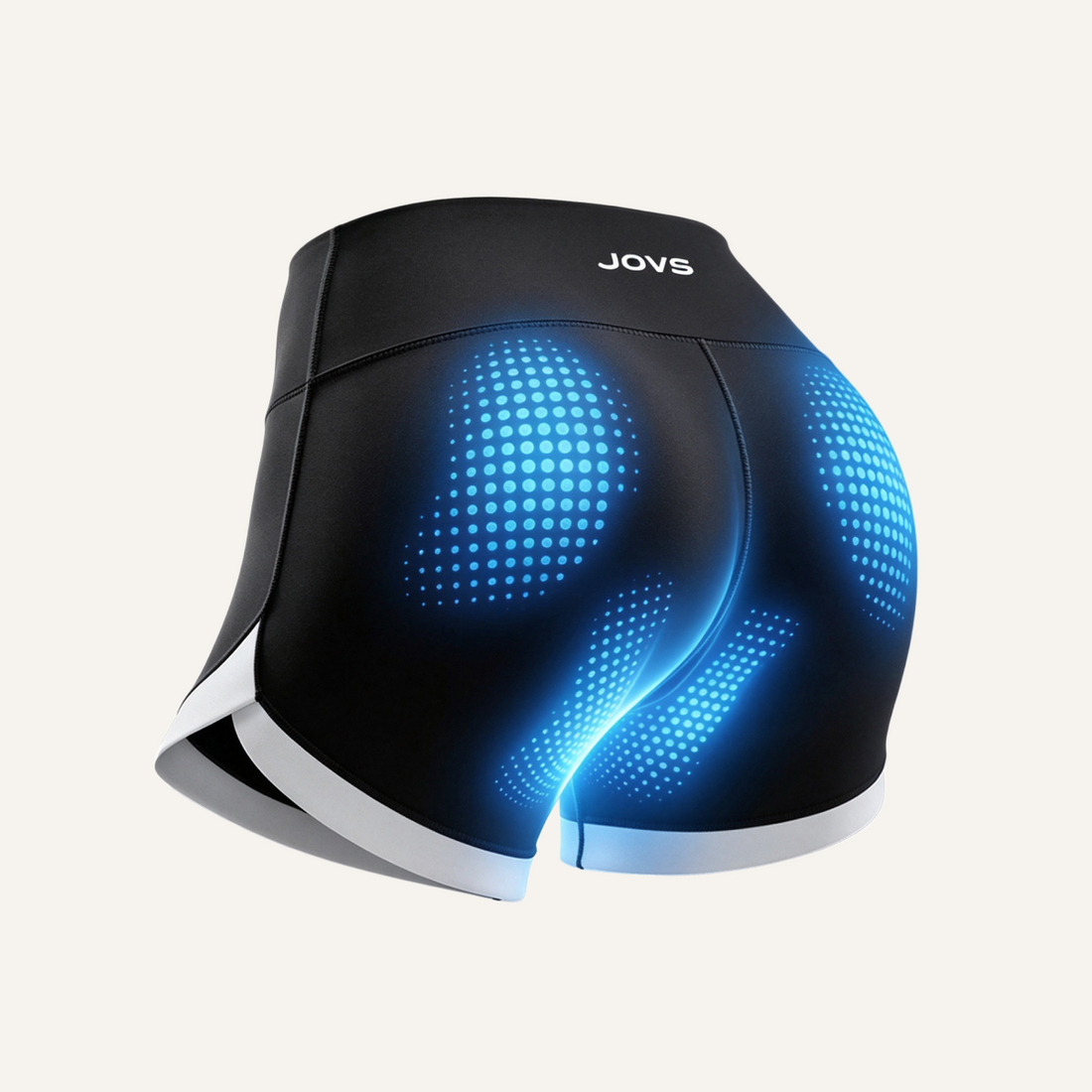
JOVS EMS Toning Shorts
Popular choiceSupports pelvic floor muscle stimulation
Help support pelvic floor training
$439.00
Shop now - $100 OFFFAQs about Strengthen Pelvic Floor Muscles
Can Pilates strengthen the pelvic floor?
Pilates doesn't isolate the pelvic floor like Kegel exercises, but it improves core stability, breathing, and movement control, making it a valuable addition to pelvic floor recovery.
Is yoga enough for pelvic floor recovery?
Yoga can improve flexibility, breathing, and relaxation, but targeted pelvic floor muscle training is generally considered more effective for strengthening weak pelvic floor muscles.
How long does it take to strengthen pelvic floor muscles?
Many people notice improvement after 6–12 weeks of regular pelvic floor exercises, although recovery varies depending on the cause and consistency of training.
Can walking improve pelvic floor health?
Yes. Walking is a low-impact activity that supports circulation, recovery, and overall fitness. While it won't strengthen the pelvic floor on its own, it works well alongside pelvic floor exercises.
Can EMS replace Kegel exercises?
No. Current evidence suggests EMS is best used as a complement to pelvic floor muscle training rather than a replacement. Combining regular exercises with appropriate muscle stimulation may benefit some people, especially during postpartum rehabilitation.